
From Disruption to Transformation: Centering Belonging When Everything is Changing
In the face of significant disruption - from budget crises and workforce upheaval to shifting political landscapes and community unrest - diversity, equity, and inclusion initiatives are often the first to be sidelined. Yet, organizations that emerge stronger from such challenges are rarely those that treat belonging as optional; they are the ones that recognize inclusive culture as the essential foundation of organizational resilience.
This panel brings together experienced DEI practitioners to explore why centering belonging during periods of disruption is not mere idealism, but a critical organizational strategy. Drawing on real-world experiences navigating institutional change, this session will examine how belonging can be deeply embedded in decision-making, providing leaders with the tools to protect and strengthen inclusive cultures under immense pressure.
Panelists will provide candid, actionable insights on sustaining trust with employees from underrepresented groups during uncertainty, leveraging inclusive leadership as a core resilience tool, and navigating the personal, internal work required of executives to lead with authenticity.
-
Leading (shaping and transforming organizational outcomes and systems)
-
Leadership and Change Management
Crisis Response and Resilience
-
Auditory
Visual
Reading/Writing
Social/Interpersonal
Kinesthetic/Tactile
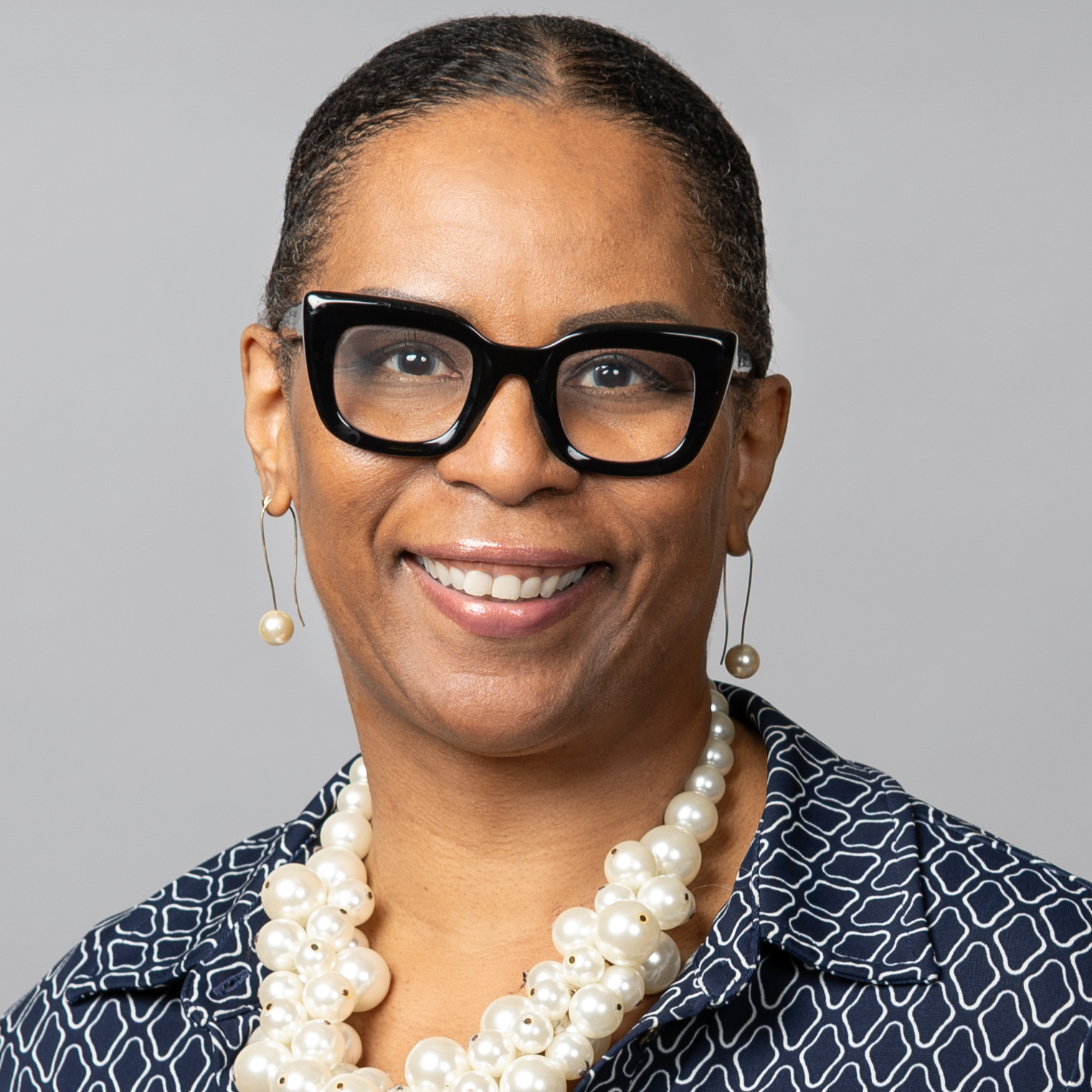
Laura N. Shepherd
Chief Diversity & Equity Officer at Multnomah County
She/Her
Laura N. Shepherd serves as the Chief Diversity & Equity Officer for Multnomah County.
Laura is known for telling the truth about culture, especially when it’s uncomfortable. She works with leaders to move beyond intention and into accountability, translating complex organizational challenges into clear, strategic action. Her approach is direct, practical, and grounded in one core belief: culture is not what you say, it’s what you tolerate, model, and reward.
She began her career as an Assistant District Attorney in Manhattan, where her early work in the pursuit of justice shaped her enduring commitment to equity, accountability, and systems that serve people effectively.
She previously served as Global Director of Diversity, Equity & Inclusion at Cleary Gottlieb Steen & Hamilton LLP, where she led global strategy across 16 offices and advised senior leaders on embedding culture and inclusion into the fabric of the business. Prior to that, she held senior leadership roles at William & Mary Law School and North Carolina Central University School of Law, expanding access, strengthening outcomes, and building environments where people could actually thrive, not just survive.
Laura earned her J.D. from Syracuse University College of Law and her B.A. in Psychology from Marymount College. She is currently completing her doctorate in Leadership & Innovation at St. Thomas University, where her research examines how inclusive environments shape leadership identity and, ultimately, organizational performance.
A sought-after speaker across the United States and Europe, Laura challenges leaders to confront the gap between who they say they are and how their organizations actually operate, and to take responsibility for closing it.
Proudly “neurospicy,” Laura brings candor, insight, and just enough edge to keep things honest. She is the mother of two incredible sons, Jason and Tyson, one of whom shares her superior neurodivergent genes. Outside of her work, she coaches leaders, studies Spanish, and stays grounded through strength training.

Preeya Kannan
Equity & Inclusion Policy Analyst Senior at Multnomah County
She/They
Preeya Kannan is a queer, biracial public health researcher, government DEI policy analyst, professional dancer and Co-Director of Liminal Movement Collective. Raised between Malaysia and Portland, Oregon, her work explores embodiment, belonging, spatial justice, and community healing through dance. She completed Honors in Public & Community Health at Oregon Health & Science University and Portland State University examining dance as an upstream public health intervention.
Preeya works in equity and systems change in government, supporting community-centered approaches to health, belonging, and social transformation across her county. Alongside her work, Preeya draws from community-based participatory research, Black feminist geography, eco-social theory, and liberatory health frameworks, her work investigates how movement can strengthen collective wellbeing among historically marginalized communities.